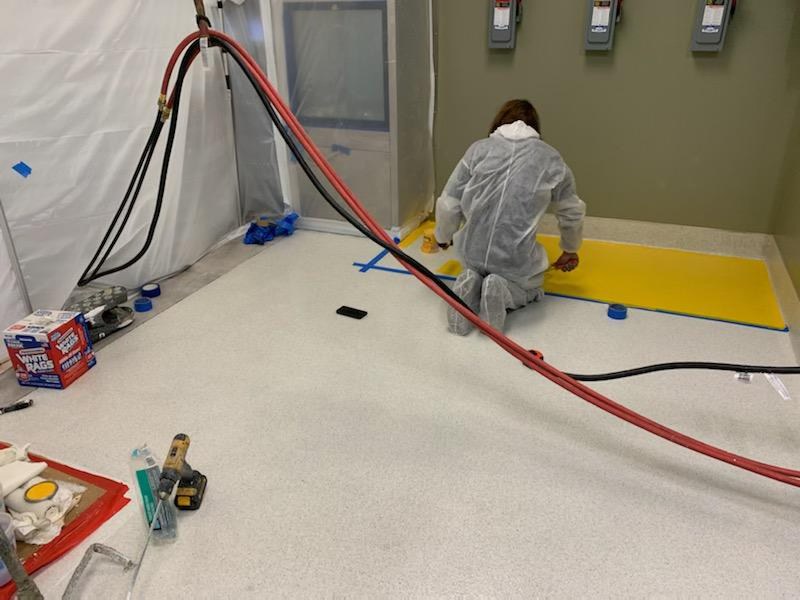
Thinking about epoxy flooring for your Colorado business? It makes sense. It's tough, and when done right, it can last. How do you *know* if your epoxy floor works? Key metrics help.
A warehouse floor gets heavy use. Forklifts and dropped items are common. You need to track impact resistance. Can the floor handle daily use without cracking? What about chemical spills? Homeowners rely on Epoxy Flooring Colorado designed to handle commercial, industrial, and residential demands. Epoxy Flooring Colorado for durable, seamless surfaces that stand up to heavy traffic and daily wear.. A good epoxy floor in an auto shop must resist oil and solvents. Otherwise, you will see stains and damage, and you will need to replace the floor sooner.
For healthcare spaces, cleanliness matters most. You want to know how easy it is to clean the floor. How well does it resist bacteria? Does it create a hygienic surface? Homeowners with garage floors likely care most about wear from cars and tools. They also want it to look good.
These metrics show if you get your money's worth. Ignoring them is risky. You might *think* your floor is great, but without data, you are guessing. Guessing can be costly.
When we discuss epoxy flooring in Colorado, especially for commercial spaces, durability matters. Consider warehouses where forklifts move constantly. Think about commercial kitchens that deal with spills and heavy foot traffic. Healthcare facilities also need surfaces that can handle heavy use.
That's where impact resistance helps. You want a floor that can withstand dropped objects without cracking. Abrasion resistance is also important. It shows how well the floor holds up against constant scraping. In Colorado, with temperature changes and tracked-in dirt, this is important.
Chemical resistance matters too. Businesses deal with oils, solvents, acids, or other chemicals. The epoxy must withstand those without degrading. Resin Flooring Experts (RFE) focuses on this, adjusting the epoxy mix to the space's needs. A warehouse handling auto parts has different chemical exposure than a commercial kitchen.
For warehouses, consider the weight of forklift traffic. For kitchens, it's about grease and constant cleaning. In healthcare, it’s about sanitation and resistance to cleaning agents. Getting the right epoxy is important. Otherwise, you need constant repairs, which wastes money.
Surface preparation matters for epoxy flooring, especially in Colorado's climate. The epoxy's quality depends on what it sticks to. Grinding, cleaning, and repairing the concrete ensures a smooth and porous surface. Without this, the epoxy won't bond and can peel or bubble. This prep work pays off.
Adhesion strength shows how well the epoxy grabs the concrete. The concrete's age, porosity, and contaminants matter. We test adhesion by gluing a disc to the epoxy and measuring the pull force. More strength equals a more durable floor. Skipping this risks early failure.
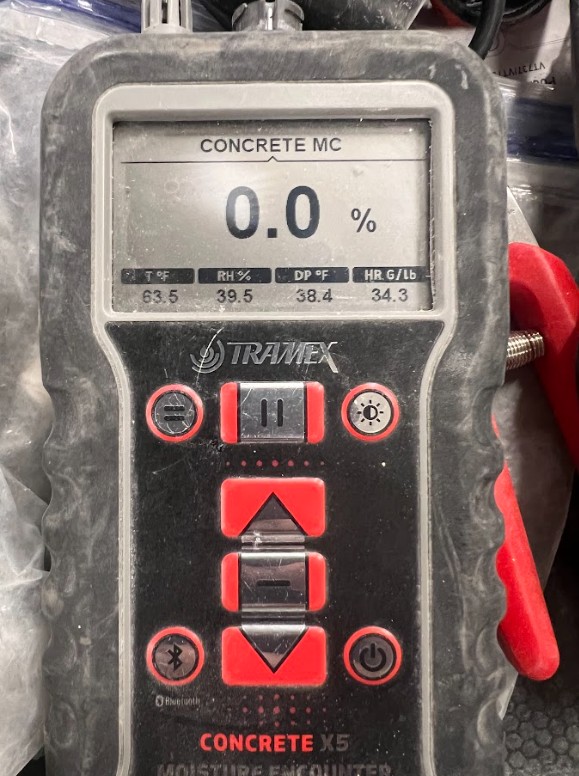
Moisture harms epoxy floors. Concrete wicks up moisture. If moisture can't escape, it causes delamination. In Colorado's freeze-thaw cycles, this is key. We use vapor barriers or breathable epoxy to lower this risk. Ignoring moisture weakens the foundation.
Colorado's temperature changes hurt epoxy floors if they aren't made for it. Epoxy expands and contracts. Mismatched rates create stress. This stress can cause cracking. We use flexible epoxy to handle temperature changes.
Colorado's environment affects epoxy flooring. High altitude increases UV exposure, which yellows some epoxies. We add UV stabilizers to fight this. Sand and dirt wear down the epoxy surface. Regular cleaning extends the floor's life.
Looks matter, especially for commercial spaces and garages. Consider color consistency. You want a floor that looks uniform after curing. Gloss retention also matters. A high-gloss floor looks great at first, but how long will it stay that way? Cheaper epoxies can dull fast, which is not good for a retail space projecting a clean image.
Then consider design options. Custom colors are smart if you want to match your brand. For auto shops or dealerships, adding a logo into the floor can improve the space. It's a professional touch customers notice.
If you skip looks, you risk a floor that seems cheap. In a commercial setting, that can affect your brand. Paying attention to these details ensures a floor that performs well and improves the look of your space. Do not dismiss the power of a well-designed epoxy floor!
Homeowners are also getting involved, especially for garage floors. Design trends lean toward flake systems with colorful chips in the epoxy. They hide flaws and add texture, plus they look great. Solid colors remain popular, but people are more creative with patterns.
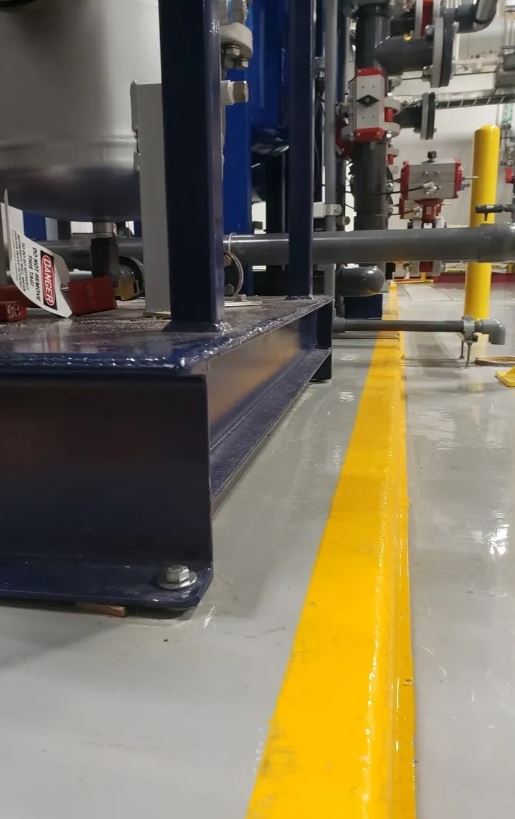
When you consider epoxy flooring, especially in Colorado, safety matters a lot. It's more than just aesthetics. We mean things like slip resistance. You don't want people sliding, right? Healthcare facilities or busy warehouses especially need good slip resistance. Specific standards exist, and your flooring must meet them.
Fire resistance also matters. Epoxy can resist fire, which buys time in an emergency. Colorado has its own rules, so check compliance.
Consider VOCs, or Volatile Organic Compounds. Some epoxy coatings release these chemicals, which hurts air quality. Low-VOC or zero-VOC options exist, and they're a good choice, especially in sensitive spots like hospitals or food processing plants. Don't skimp here.
Safety is even more critical for healthcare and industrial sites. A hospital has patients, staff, and visitors. Slips and falls can cause problems. Industrial sites might have heavy machinery and hazardous materials, so fire resistance is key. Ignoring these safety items? You risk accidents, injuries, fines, and legal issues. Doing it right the first time matters.
For Colorado businesses, quick epoxy floor installation matters. It reduces downtime, which impacts your bottom line. A warehouse can't ship products, a store can't sell, and a clinic can't treat patients when floors are under construction. Time equals money.
Fast-curing epoxy systems help. They allow faster installation, so you reopen sooner. But speed isn't everything. The install must be well-planned to avoid delays. Proper surface prep is key. So is using the right equipment and a skilled team.
Resin Flooring Experts (RFE) understands these limits. We aim to reduce disruption to your work. We know Colorado warehouses and commercial spaces can’t close for long. We help you find the best plan, considering factors like space size, epoxy type, and your time limits. We also offer tough, easy-to-clean epoxy coatings for warehouses, stores, and other commercial buildings. Getting the job done fast and right saves trouble and money later.
Let's examine the financial aspects. When you consider commercial epoxy flooring in Colorado, explore the cost-benefit analysis. The initial price isn't the only factor.
Consider the upfront cost, but also think about maintenance. What about how long it lasts? A cheap floor might look good at first, but replacement every few years adds up.
Good epoxy flooring can provide a good return. Compare it to tile, carpet, or polished concrete. What are the long-term costs of each? How long will they last with your business's wear and tear?
For example, in a warehouse, epoxy handles heavy machinery and foot traffic better than painted concrete. This means fewer repairs, less downtime, and a longer life. For retail, epoxy's easy cleaning cuts maintenance costs. For auto shops, chemical and oil resistance helps.
See the data. Note the cost per square foot, the expected life, and savings on maintenance and repairs. Calculate the numbers for your situation. You'll likely find that good epoxy flooring is a smart choice that pays off.
Let's discuss keeping your epoxy floors clean, especially in Colorado commercial spaces. This is important. You want something that looks good and is easy to maintain.
Epoxy is easy to clean. Consider healthcare facilities, commercial kitchens, or auto shops. Spills happen, and stains are a risk. You need a surface that can handle it. Epoxy resists many common chemicals and stains. Also, because it's seamless, dirt and bacteria can't hide in grout lines or tiny cracks. That’s important for sanitation, especially in hospitals or food prep areas.
“Easy to clean" doesn't mean "never clean." You still need a regular plan. Sweep or vacuum to remove loose dirt and debris. Then, mop with a mild detergent. Harsh chemicals can damage the epoxy, so avoid them.
To prolong the life of your floor, consider walk-off mats at entrances to trap dirt. For high-traffic areas, think about a maintenance coat of epoxy every few years. This is a fresh layer that protects the original floor and keeps it looking good. Ignore maintenance, and you’ll get scratches, stains that are hard to remove, and a floor that needs replacement sooner. No one wants that expense.
Determining the return on investment for commercial epoxy flooring involves assessing factors like installation costs, durability, and reduced maintenance expenses. A successful epoxy floor minimizes downtime for repairs, leading to sustained operational efficiency. Calculate long-term savings by comparing epoxy flooring to alternative options.
High customer satisfaction scores reflect a positive perception of the commercial space enhanced by epoxy flooring. Factors include aesthetics, cleanliness, and safety, all contributing to an improved customer experience. Track feedback through surveys and reviews to gauge satisfaction levels.
Evaluate the flooring's adherence to industry-specific safety and environmental standards. Successful epoxy flooring installations meet or exceed regulatory requirements. Proper compliance reduces liability risks and ensures a safe environment for employees and customers.
Avoiding Common Pitfalls in Colorado Concrete Flooring Projects
Colorado businesses want sustainable flooring choices, including epoxy. People care about the environmental impact, not just durability and looks.
What does this mean for epoxy flooring? It means using eco-friendly materials in the epoxy itself. Low-VOC (volatile organic compounds) options exist now, which matters because VOCs can harm air quality. Resin Flooring Experts (RFE) focuses on this.
Waste reduction also matters. How can we cut waste during installation? Can we recycle materials? Business owners are asking these questions.
Keep LEED (Leadership in Energy and Environmental Design) certification in mind. If you want LEED certification for your building, your flooring choices matter. Sustainable epoxy products can help your LEED score.
It comes down to making responsible choices. Eco-friendly options might cost more at first, but they can pay off for the environment and your business's image. And it’s the right thing to do, especially in Colorado, where people value the outdoors.
Let's explore real-world examples of how commercial epoxy flooring performs in Colorado. We've seen great results with our Resin Flooring Experts (RFE) installations.
For example, we worked on a warehouse out in Denver. They struggled with dust and constant floor repairs from heavy forklift traffic. After we installed our epoxy system, they saw a 60% drop in dust. This improved air quality and lowered cleaning costs. Also, the floor has held up well. They have decreased repair time, saving them around 15% each year on upkeep. That puts money back in their pocket.
Consider the automotive shop in Colorado Springs. Oil spills and chemical resistance caused concerns. We installed a chemical-resistant epoxy coating. They haven't had issues with stains or breakdown. They also saw a 25% rise in shop cleanliness because the floor is easy to wipe down. This makes the place look better for customers. It also makes a safer space for their mechanics.
Consider the healthcare site in Fort Collins. They needed a smooth, clean flooring choice. Our epoxy flooring did just that. It's easy to clean, which matters in healthcare. It's also slip-resistant, which lowers the risk of falls for patients and staff. They’ve seen an improvement in infection control, which is always a priority. These examples show how the right epoxy flooring can affect Colorado businesses.
For commercial epoxy flooring in Colorado, remember that all these factors connect. It's not about just one thing; consider everything.
Here is some advice for different people:
Resin Flooring Experts (RFE) focuses on epoxy coatings that last and are easy to clean. They work well for Colorado's weather and the needs of these commercial properties.